
The Stroke of Good Luck
By Lilian Tsi
I was 46 years old when I had a small stroke in August 2010. I was working in a high-stress, male-dominated industry and wasn’t taking very good care of my health. About 6 months before the stroke, I was diagnosed with high blood pressure, and the doctor’s office prescribed a medication to lower my blood pressure.
I had to drive long distances in my work, and I didn’t like the effects of the medication — causing me to be dizzy. I stopped taking the medication. I was infuriated with the doctor’s office for various reasons. One of which was, it’s a specialty women’s clinic, and the treatment I received was “Oh yes, you have high blood pressure, take a pill.” That was it — no talk about lifestyle changes, no talk about exercise, no talk about perhaps losing weight. It took a stroke to make me examine my choices, and the decision was to do better so as to not have another stroke.
As I was discharged from the hospital after the stroke, the neurologist said to me: “You are only 46 years old. If you just walk 30 minutes a day, I’d probably never see you again.” I looked at him in disbelief and asked him if he was serious because I really didn’t want to see him again. I took his prescription to heart. I started walking 30 minutes a day that very next day.
It was difficult. I was huffing and puffing, and I barely walked half a mile. I was probably 30 pounds overweight. I say probably because I was not weighing myself then as I didn’t want to know my weight. I knew I was getting bigger. My clothes sizes had increased from size 8 to 12 over 20 years, and size 12 was getting tight.
I was very lucky to have a wonderful neighbor who decided she would walk with me at 6 a.m. on weekdays. She held me accountable. I couldn’t curl under a blanket on a rainy day because she was at my door. I chose to walk at 6 a.m. because if I didn’t do it first thing in the morning, the day would get away from me, and I would not get the time to exercise. My husband and children, ages 10 and 15 at the time, stepped up after I explained to them what I need to do to get healthier.
Beyond walking for 30 minutes a day, I also made drastic changes to my eating habits. I used to skip breakfast, eat a salad for lunch to be “healthy” and by dinner time, I was ravenous and scarfed up large amounts of pasta and rice. That I learned was one of the reasons I was gaining weight around the belly. With my new primary care physician’s guidance, I started eating breakfast, ensuring I had protein and fiber. At lunch, I would enjoy my pasta or rice with lean protein and vegetables. It would be a salad for dinner. It’s now 15 years later, and I’m back down to a size 8.
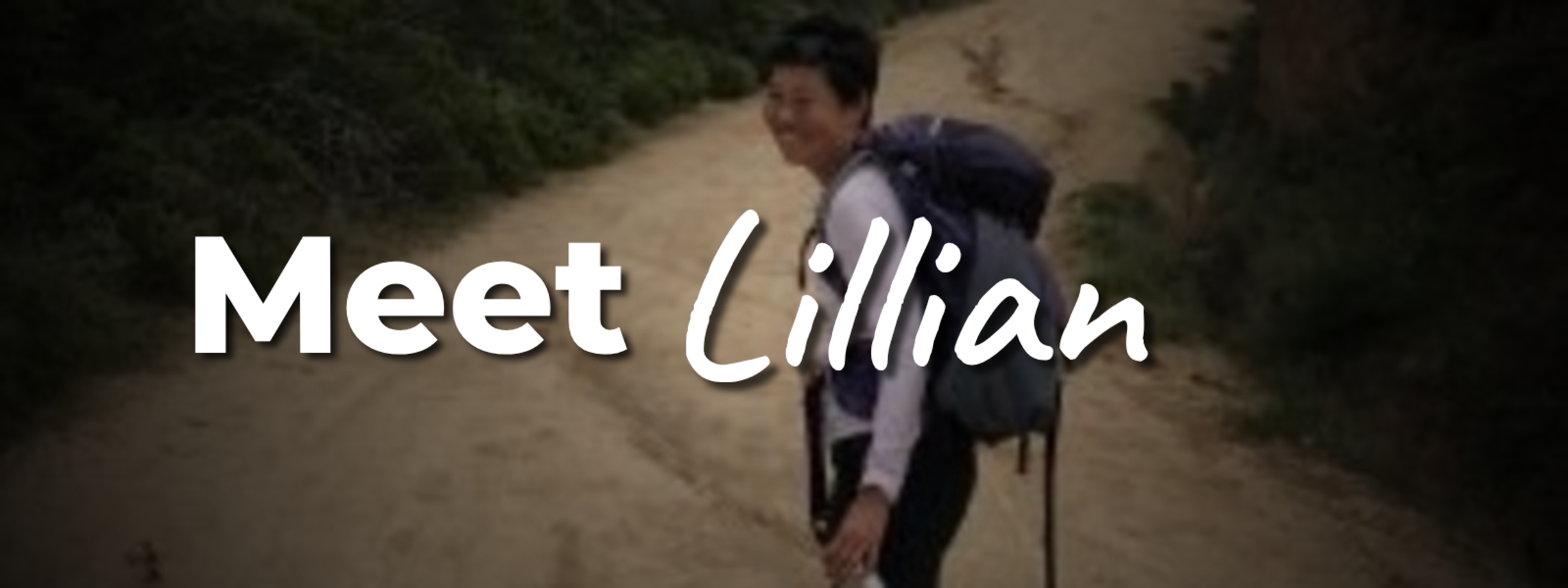
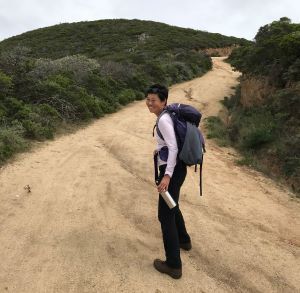
My walking 30 minutes a day, turned to jogging, to completing a half-marathon, and then hiking 500 miles across northern Spain with my husband on the Camino de Santiago, where we averaged 13 miles a day, carrying a 20-pound backpack in 2017. Every time something became too easy, i.e. walking briskly 30 minutes a day was getting to be too easy, I started jogging. Jogging 6 miles became easy. And then I thought I could walk 13 miles carrying a 20-pound pack — that was the extra weight on my body I used to carry around.
The combination of gradually increasing activity and gradually reducing portions led to weight loss and a normal blood pressure. I was taken off the blood pressure medication in 2017. I didn’t grow fat and develop high blood pressure overnight. It was a gradual creep where each year I grew older, I found myself resorting to fad diets to fit into clothes I used to wear. The bad habits over time led my body to send me a message. In my new lease on life, I learned to make changes gradually so that there was no short quick fix. The changes are now my way of life.
I’m now 62 years old. I recently started playing tennis, a sport I was good at in high school, and all the jogging I had done the last 10 years have done wonders for my cardio abilities, and I am keeping up playing singles matches with women half my age. Take stock of what you are currently doing and what are some small changes you can make to start living a healthier life. You cannot change everything at once. It’s too overwhelming. Pick two things, one related to exercise and one to food. Do it for three months, and then improve on it, and repeat the process.
As an example:
Walk for 30 minutes. 3 months later, walk faster for 30 minutes. 3 months later, walk faster for 30 minutes, and maybe add a hill or set of stairs.
Food:
Wean yourself off sugary drinks. If sugar is part of your tea or coffee routine, aim to gradually reduce or stop using it.
Reduce the sugar in coffee by half for 3 months. Three months later, cut the half by another half. Repeat, and pretty soon, you won’t miss the sugar in your coffee or tea. Our taste buds refresh regularly, and they gradually adjust to the different tastes.
Measure how much salt you are consuming This is critical. Salt is hiding in sauces you use for cooking or dipping, and it’s in processed foods. Ideally, stop eating highly processed foods, but if you are juggling work and raising a family, conveniences have to be used, and so be vigilant about the nutrition labels.
Don’t wait till you experience a cardiac event or a stroke to make the changes. You may not have a second chance.
For more information on this topic, visit www.heart.org.
HEALTH CARE DISCLAIMER: This site and its services do not constitute the practice of medical advice, diagnosis or treatment. Always talk to your health care provider for diagnosis and treatment, including your specific medical needs. If you have or suspect that you have a medical problem or condition, please contact a qualified health care professional immediately. If you are in the United States and experiencing a medical emergency, call 911 or call for emergency medical help immediately.
Would you like help dealing with heart or stroke conditions — either yours or someone else’s? Join us in the AHA’s Support Network! We are an online community of patients, survivors and caregivers where you can share your experience while getting encouragement, hope and informational resources from others who have been there. Membership is free and the benefits can be priceless. Register today.