
There Is Life After Surviving Several Strokes and Becoming a New Mom
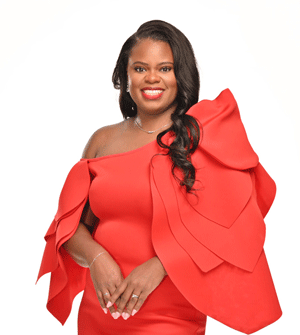
By Leslie Jordan
During my first pregnancy at the age of 33, I was diagnosed with preeclampsia in my third trimester, which is a complication in pregnancy characterized by high blood pressure. I was devastated because I thought I had been doing all the right things to keep myself healthy. Nevertheless, I was determined to manage my symptoms.
After giving birth to my son, I experienced a thunderclap headache for 48 hours. Then, I suffered my first major stroke of many that I would experience right after delivery. My speech started slurring and my body felt like it was on fire. In that moment, I yelled as loud as I could, “I am having a stroke.”
Amongst suffering from multiple strokes, mini strokes, violent seizures, loss of clear sight, and being paralyzed, I choose to fight to regain a sense of movement to get home to be with my husband and son.
Little did I know that the fight to get home was just the beginning of many battles I would have to face. Nothing could prepare me for the life changes and challenges ahead of me becoming a stroke survivor and new mom all at once. It’s nothing short of a miracle that I am still alive, and I am thankful for all the love and support that continues to propel me not to give up. Recovery from a stroke is more than just a journey; it’s my new way of life, or in short, my new lifestyle. My shortcomings have granted me a new sense of being in finding new beginnings and courage to put myself back into the world that I lost. Coping and managing my sanity because of what happened to me while becoming a new mom is a never-ending learning curve within itself.
The greatest thing about being a mom for me is being present in my son’s life to help him grow into the person he is meant to become. As a stroke survivor, I get another chance to live and be a mom to him. That might have been taken away from me if I wasn’t aware of the signs and symptoms of a stroke (F.A.S.T. – face drooping, arm weakness, speech difficult, time to call 911).
I’ve learned that asking for help (with specifics) is just as important as being the person giving help. Asking for help is a gift that provides the helper a chance to make a difference in someone’s (my) life. It is also okay to take your recovery one day at a time without constraints or worries about time. Give yourself permission to heal and live every day. And most importantly, my identity is not tied to one person or thing but who I choose to be as a person every day. That is what truly matters most to me.
My hope is that my story will inspire you share your own to help others know that they are not alone, and that the light at end of the tunnel is always going to be there if you do not give up.
HEALTH CARE DISCLAIMER: This site and its services do not constitute the practice of medical advice, diagnosis or treatment. Always talk to your health care provider for diagnosis and treatment, including your specific medical needs. If you have or suspect that you have a medical problem or condition, please contact a qualified health care professional immediately. If you are in the United States and experiencing a medical emergency, call 911 or call for emergency medical help immediately.
For more information on this health topic, visit stroke.org.
Would you like help dealing with heart or stroke conditions -- either yours or someone else’s? Join us in the AHA’s Support Network! We are an online community of patients, survivors and caregivers where you can share your experience while getting encouragement, hope and informational resources from others who have been there. Membership is free and the benefits can be priceless. Register today.