

Overcoming Migraines, Then Heart Attacks
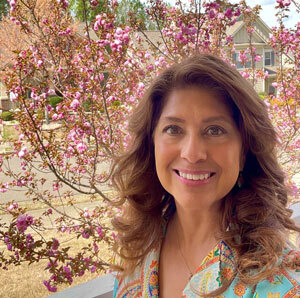
by B. Verde, as told to Lisa Fields
Growing up on a farm, I harvested asparagus, had long bus rides to school and saw one doctor for all of my health needs. When I was 16, the doctor diagnosed me with migraine with aura. He never referred me to a headache specialist, but if he had, I might have learned that migraines have a link to heart disease.
My migraines persisted for decades. Gradually, I learned how to manage them. In my 30s, I periodically experienced chest pain that I assumed was migraine-related. When I met with a migraine specialist in 2003, she disagreed. She referred me to a cardiologist, who said it was caused by coronary vasospasm. That’s when arteries in your heart constrict, which feels like painful squeezing in your chest.
The doctor prescribed medication. I decided to stop taking it in 2015, assuming it wasn’t effective because I still had chest pain. Sometimes, I wonder if that decision contributed to the heart attack I had a month later.
I was 52, in pretty good shape. I’d joined a local gym’s boot camp for women. Sometimes, my chest hurt while exercising, but it would fade. The night before a class weigh-in, I decided to eat vegetables for dinner. Then my chest felt odd. Initially, I thought I hadn’t chewed well enough and vegetable chunks were stuck, but that wasn’t it. My chest squeezed differently than during vasospasms. Eventually, my arm, neck and teeth hurt.
I told my husband that we should go to the hospital in case it was a heart attack. He wanted to call an ambulance, but I refused. Luckily, our drive was uneventful.
The electrocardiogram (EKG) I received in the ER said I didn’t have a heart attack. I returned to the waiting room and told my husband that I wanted to leave. Then, they called me back for another EKG. This time, it showed that I’d had a heart attack. I needed an angiogram, so doctors could place stents to hold my arteries open. They said that it would take 30 minutes, but it lasted hours.
I later learned that I’d had a SCAD (spontaneous coronary artery dissection) heart attack, when a coronary artery wall tears. That explained why my angiogram repair took so long. A week later, I had a second heart attack and angiogram, but nothing since then.
During my recovery, I went to cardiac rehab. I loved learning how my heart functions, how my medication works, and how diet and physical activity influence heart health. I’ve adopted the Mediterranean diet, preparing meals from scratch. My husband and I golf and ride bikes together.
My cholesterol levels had always been fine, but two years ago, my LDL cholesterol topped 200 mg/dL. After unsuccessfully attempting to lower my cholesterol (with my cardiologist’s guidance), I began taking medication.
Today, I’m an advocate for women’s heart health. I talk to women’s groups, sharing my story whenever possible. It’s important for them to hear how women may experience heart attacks. If I help one woman get emergency care quickly, it’s all worthwhile.
HEALTH CARE DISCLAIMER: This site and its services do not constitute the practice of medical advice, diagnosis or treatment. Always talk to your health care provider for diagnosis and treatment, including your specific medical needs. If you have or suspect that you have a medical problem or condition, please contact a qualified health care professional immediately. If you are in the United States and experiencing a medical emergency, call 911 or call for emergency medical help immediately.
For more information on this health topic, visit heart.org/LDL.
Would you like help dealing with heart or stroke conditions -- either yours or someone else’s? Join us in the AHA’s Support Network! We are an online community of patients, survivors and caregivers where you can share your experience while getting encouragement, hope and informational resources from others who have been there. Membership is free and the benefits can be priceless. Register today.