
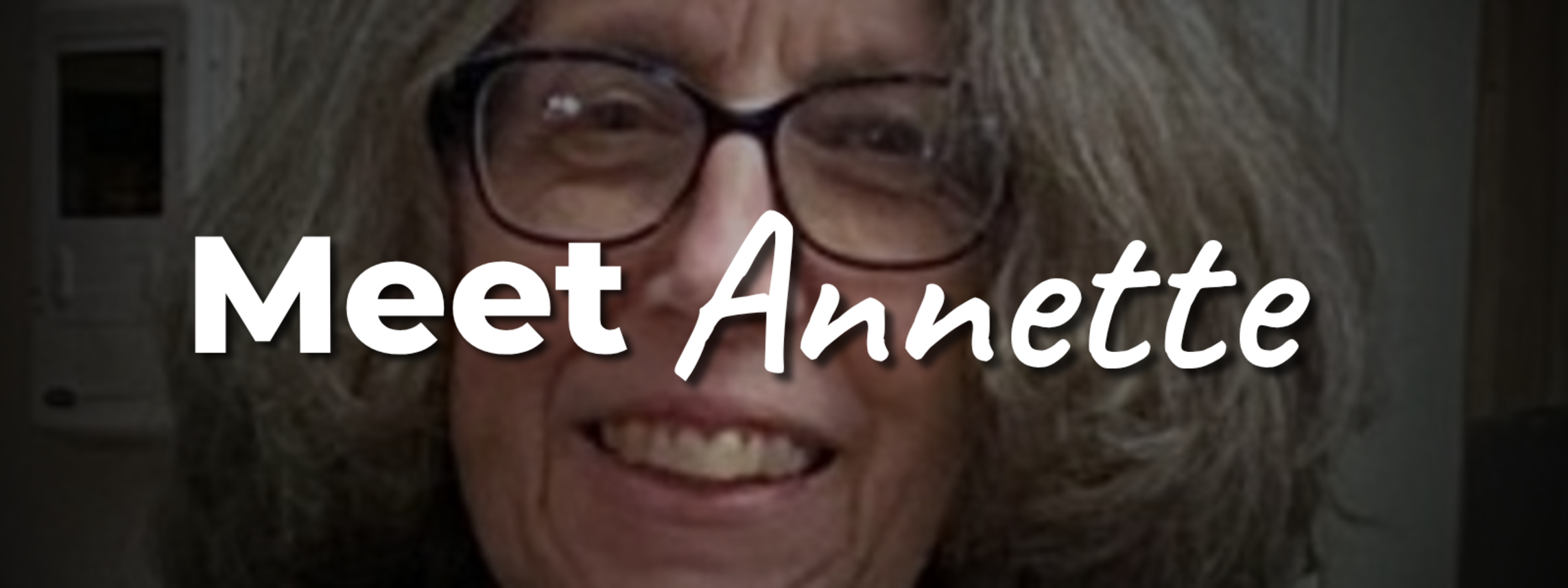
Living With My Imperfect Heart
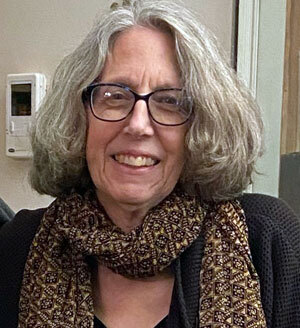
By Annette Greene
I experienced my first episode of supraventricular tachycardia (SVT) in 2001, when I was in my late 40s. I did not know what it was, but I could feel my heart racing very fast. These episodes continued and would last seconds or minutes and only happen every 3-4 months. I didn’t know what it was at the time, but I wondered if the cause could be stress, hormonal changes, fatigue, or perhaps a side effect of medication.
I asked my doctors. They told me this could be normal for a woman of my age. Five years passed, and the episodes became more frequent and longer. Finally, it was caught on an EKG in my primary care doctor’s office: the arrhythmia that showed up clearly was SVT.
I was scared. Why me? Why now at this stage of my life? I‘d never had any heart problems before and had never heard of SVT. I soon learned that SVT is a congenital defect that can show up at any age and starts with faulty electrical wiring in the heart. Electrical signals can cause the heart to beat abnormally fast. In my case, it was 170-190 beats per minute. The heart is resilient, but those with SVT are advised not to let it go untreated for too long as heart muscles can weaken and other complications can occur.
Five years of seeing doctors and taking medications kept things under control. I still had short bouts of tachycardia every once in a while, but the episodes would only last a minute or two. I would tell a few family members and friends what I was going through, but it was hard for them to understand because they had not heard of SVT. I felt very alone as I tried to come to terms with it all.
An electrophysiologist (a cardiologist who specializes in the heart’s electrical system) offered me a cardiac ablation as a treatment for irregular heartbeats, which are called arrhythmias. The ablation uses energy to create tiny scars in the heart that block faulty heart signals and restore a typical heartbeat. This sounded promising but also terrifying because it involved inserting a long flexible tube (catheter) to go inside the heart to identify and burn away the extra electrical pathways responsible for SVT.
Surely, I wanted to be cured. I wanted to be brave enough to agree to the ablation that I was told had a 95% success rate. I wanted to get past the fear and trust that the doctors knew what they were doing. It was not an experimental treatment.
In 2011, my ablation went according to schedule, and two pathways were found and ablated: AVRT (atrioventricular reentry tachycardia) and AVNRT (atrioventricular node reentry tachycardia).
At the time the procedure was considered successful because the SVT could no longer trigger while in the heart catheterization lab. However, I started having episodes of SVT weeks later. It took many months before the arrhythmia was once again caught on a monitor. Against the odds, my ablation had failed.
I was offered another ablation but I declined — I did not have any confidence that a redo would work.
This was a turning point for me. If cardiologists couldn’t help me, then I would help myself by staying as healthy as possible and living with my imperfect heart.
I wanted as normal a life as possible, so I focused on eating right, exercising, staying calm when I had an episode of SVT, and learning how to convert my heart back to a normal rhythm. (People with SVT can try numerous physical maneuvers to reset the heart. I have found a few that usually work for me in a matter of minutes.)
Another turning point was meeting others with SVT and sharing our stories. Through an online support group, I have met thousands of people from all over the world who also have this disorder that is not as rare as I first imagined it to be.
There are many options for dealing with SVT including medications, lifestyle changes, and ablation. One solution does not work for everyone. There are also promising new treatments on the horizon.
If you are diagnosed with SVT, please know that you are not alone. By connecting with others and sharing information and experiences, you will be better equipped to figure out what works for you and to work with your healthcare team to make an informed decision about treatment options.
SVT can impact your life — as it did mine — but it doesn’t have to control it.
Milestone is a proud supporter of the American Heart Association's supraventricular tachycardia (SVT) education initiative. For more information on this initiative and SVT, visit www.heart.org/svt.
HEALTH CARE DISCLAIMER: This site and its services do not constitute the practice of medical advice, diagnosis or treatment. Always talk to your health care provider for diagnosis and treatment, including your specific medical needs. If you have or suspect that you have a medical problem or condition, please contact a qualified health care professional immediately. If you are in the United States and experiencing a medical emergency, call 911 or call for emergency medical help immediately.
Would you like help dealing with heart or stroke conditions -- either yours or someone else’s? Join us in the AHA’s Support Network! We are an online community of patients, survivors, and caregivers where you can share your experience while getting encouragement, hope and informational resources from others who have been there. Membership is free and the benefits can be priceless. Register today.