

A Week After COVID-19 Diagnosis, A Heart Attack
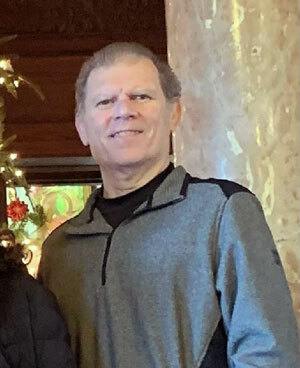
By Jeffrey Luckenbach
My journey as a heart failure patient is an atypical one. I have a strong family history of heart disease, but I was asymptomatic. My journey began with a diagnosis of COVID-19 on March 15, 2020. My family and I were very careful; however, I had to go to work, and obtaining a vaccination in the Northeast was difficult in March 2020.
On March 22, I had difficulty sleeping; I had indigestion that started the previous evening and wouldn't dissipate. Around 4 a.m., I decided this wasn’t indigestion but chest pain. I waited till 5:30 a.m. to wake my wife and tell her I was having chest pain with vomiting. My wife called 911, and at 6:15 I was in the ambulance on my way to the hospital.
I don't recall much after my arrival. I was brought to the cath lab, as the doctors knew I was having a heart attack. A clot was completely blocking the main artery of my heart. Two stents were put into my artery. During the procedure, my heart stopped and I had to be defibrillated. The doctors had to use a medical device to help my heart pump and placed me on a ventilator.
I don’t recall anything from the first several weeks in the hospital. My heart was damaged, my kidneys failed, and I had COVID-19. On April 1 I was in continuing decline, and a doctor performed an ultrasound on my heart. He found a large amount of fluid compressing my heart. It needed to be removed immediately because death was imminent. They successfully drained the fluid, and I began to stabilize.
Unfortunately, this progress was short-lived. I had the breathing tube removed, but I aspirated food into my lungs and my lungs filled with fluid, and I needed the ventilator again.
Eventually, I was strong enough to breathe on my own and was taken off the ventilator. However, the renal failure persisted, so dialysis continued, and a new diagnosis of chronic illness myopathy was discovered. I had no movement from my shoulders down. I needed acute rehabilitation to learn to move and take care of myself.
I spent 45 days/five weeks in rehab. My kidney function returned enough that I don’t need dialysis, but my kidneys function at only 50 percent. I have to monitor my electrolyte levels closely.
Since discharge, I've completed cardiac rehab, had a pacemaker/defibrillator inserted for my poor heart function, and continued physical and occupational therapy for seven months.
To say I was fortunate is an understatement. Since discharge, I focus on my recovery and continue to make incredible progress. The doctors said my physical activity before the heart attack helped to save my life. As for now, more than one year later, I want to be the person to give others hope when their situations are as dire as mine was.
For more information on this health topic, visit heart.org.
Would you like help dealing with heart or stroke conditions -- either yours or someone else’s? Join us in the AHA’s Support Network! We are an online community of patients, survivors and caregivers where you can share your experience while getting encouragement, hope and informational resources from others who have been there. Membership is free and the benefits can be priceless. Register today.