
The Road to Freedom
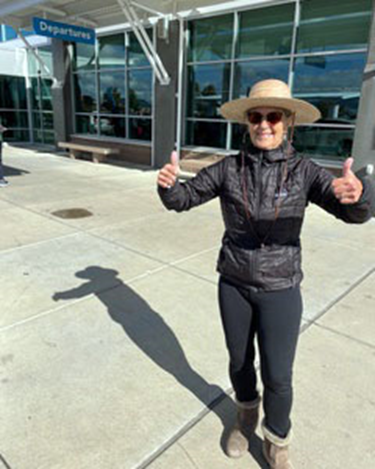
By Cynthia White
In November 1986, at age 26, I was rushed to the emergency room with an irregular heart rhythm. I had been teaching an aerobics class at a local gym. During the class, I found myself in a rapid rhythm. I continued to teach the class until it was finished. I then went to lift some light weights, which I thought might help calm my heart. But instead, my heart continued to beat in a rapid rhythm.
I drove home and found myself sweating, my body shutting down and my mind full of extreme anxiety. An hour and a half had passed since the irregular heart rhythm began. I finally asked my husband to call the ambulance. When the paramedics arrived, they tried to convert my rhythm but were unsuccessful. I was immediately rushed to the hospital.
The medical team determined my heart was beating at 190 bpm for well over two hours. I had been in sustained ventricular tachycardia and needed a cardioversion to return my heart to a normal sinus rhythm. The cardioversion was successful, but I needed further evaluation to determine why my heart had gone into this dangerous rhythm. That was well over 37 years ago.
In 1987, I was fully diagnosed with a condition called ARVC (arrhythmogenic right ventricular cardiomyopathy), an inherited heart condition. Over the years, I have gone through multiple pharmacological treatments, ICD implants, stress tests, electrocardiograms, angiograms, echocardiograms, ablations, inpatient and outpatient hospitalizations, and attended dozens of cardiology appointments to help manage and control this medical condition.
However, in January 2023, I was diagnosed with advanced heart failure. The disease had finally progressed to an untreatable condition, and the only medical intervention available was a heart transplant. At this time, I had no idea whether I would be eligible for this procedure. I was terrified and confused and thought I might die very soon.
After completing a series of prerequisites, I qualified for the transplant list. However, by completing the transplant protocol, there was no guarantee I would receive a heart or that there would be a compatible donor. Fortunately, I had no co-morbidities, my health was in good standing, and my blood type allowed me to receive a healthy heart from any blood type. Within 17 days of waiting, my new heart arrived. This was a true miracle.
It’s been 10 months since being transplanted. I have no signs of rejection and my health is excellent. I continue to be grateful for the many blessings this transplant has provided. From exceptional medical care to being the recipient of a loving community and support system, I have been able to overcome numerous obstacles this medical condition has evoked. I’ve also had the opportunity to mentor another future transplant recipient and share my experience, strength and hope with others awaiting transplants or having been transplanted.
A heart transplant has not been an easy journey. There have been many ups and downs. There has also been uncertainty and unpredictability. I’ve had to ask for help, be open to change, stay positive, feel my feelings and express them, and enjoy each moment of every day.
I hope this message sends you hope, strength and stamina to overcome whatever troubles you are facing. Always remember, you are not alone. There is love to give and receive. Others have been through what you are going through, and there is always hope.
Sending you love and light,
Cynthia
March 21, 2023, heart transplant recipient
For more information on this topic, visit www.heart.org.
HEALTH CARE DISCLAIMER: This site and its services do not constitute the practice of medical advice, diagnosis or treatment. Always talk to your health care provider for diagnosis and treatment, including your specific medical needs. If you have or suspect that you have a medical problem or condition, please contact a qualified health care professional immediately. If you are in the United States and experiencing a medical emergency, call 911 or call for emergency medical help immediately.
Would you like help dealing with heart or stroke conditions — either yours or someone else’s? Join us in the AHA’s Support Network! We are an online community of patients, survivors, and caregivers where you can share your experience while getting encouragement, hope and informational resources from others who have been there. Membership is free and the benefits can be priceless. Register today.