
Strokes and mental health
By Jill Veach
My daughter, Claudia, had a stroke a little over six years ago when she was just 8 years old. I wasn’t with her when it happened, but I vividly remember racing home and thinking I had to look strong. I was terrified, but I quickly wiped my tears. I had to tell myself to take deep breaths, stop crying and be strong. It worked.
When I got to the ambulance, I grabbed Claudia’s hand and told her everything was going to be OK. I sang “You Are My Sunshine,” and she calmed down.
A few days later, Claudia was still in the ICU, but improving. She had gone through numerous tests and procedures and was getting neuro checks every hour of the day. A constant flow of doctors, nurses and specialists made resting challenging. During those first few days, I never let her see me cry. I’d excuse myself from her room, break down and then come back. Claudia didn’t cry or show much emotion, which made me rethink my “stay strong” plan.
I started to worry that maybe Claudia thought she wasn’t “allowed” to be upset and that she had to be strong. I told her that it was OK to express herself and to be upset and scared. Then I asked if someone from the mental health team could let her express herself. I didn’t stay in the room for that conversation — it was for her, not me. I started to allow her to see me upset because I wanted her to know it was OK to be vulnerable.
After Claudia was released from the hospital, we had countless appointments. On top of that, she was trying to be a third-grade kid. We again decided to do something for her mental health.
Claudia met with a neurological psychologist, and I went to a therapist too. I struggled with sleeping and concentrating. I was worried and scared all the time.
When I would talk about Claudia, I would cry, even when it was good news. My therapist told me I wasn’t expected to just “get over it.” I could be scared and worried, but I couldn’t let those feelings own me. I journaled and blogged and reached out to other parents who had been through similar situations. It was an enormous help knowing I wasn’t alone.
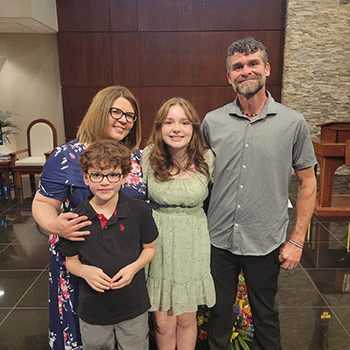
Six years later, Claudia is doing fantastic. If you saw her right now, you’d see nothing but a typical 14-year-old girl. She is an excellent student, friend, and daughter. It’s almost like the stroke gave her a level of confidence that she can do anything.
If you or a loved one has a stroke, physical and mental care are critically important. And always remember: Admitting you need help makes you stronger.
Jill Veach was named the American Stroke Association’s 2020 Outstanding Caregiver as part of the Stroke Hero Awards. You can learn more about her story here.
HEALTH CARE DISCLAIMER: This site and its services do not constitute the practice of medical advice, diagnosis or treatment. Always talk to your health care provider for diagnosis and treatment, including your specific medical needs. If you have or suspect that you have a medical problem or condition, please contact a qualified health care professional immediately. If you are in the United States and experiencing a medical emergency, call 911 or call for emergency medical help immediately.
For more information on this health topic, visit heart.org.
Would you like help dealing with heart or stroke conditions -- either yours or someone else’s? Join us in the AHA’s Support Network! We are an online community of patients, survivors and caregivers where you can share your experience while getting encouragement, hope and informational resources from others who have been there. Membership is free and the benefits can be priceless. Register today.