

Stroke Survivors’ Tenets
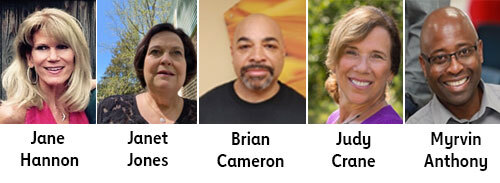
We are the “Speak Out Aphasia” team, a group of stroke survivors with aphasia, who are members of the SCALE Aphasia Program at The League for People with Disabilities in Baltimore, Maryland. Our strokes may have changed us, but we still had to build our futures. Learning how to take control of our recovery was a critical personal step.
Stroke survivors at SCALE developed 10 tenets to help guide new stroke survivors in their own recovery journeys. Each of these is designed to help create a tangible approach to recovery and to answer questions such as “Where do I start?” or “Where do I go from here?”
Our tenets include examples of the ways we took control by recognizing we have the leading role in our recovery journey, and we empower ourselves through personal effort and determination.
How can these tenets help other stroke survivors? The following comments will give you a glimpse into how we used these tenets to improve our quality of life and continue to build our futures.
1. I am the director of my own life.
Judy: After outpatient speech therapy ended, I felt lost. Then I realized I needed to be the director of my life, and it changed everything. I found ways to participate — research studies, aphasia program and support groups.
2. I drive my own recovery through my determination and efforts.
Janet: I recognize my abilities and I understand what my strengths and weaknesses are. This drives my recovery because I know now what I am and am not able to do. SCALE Aphasia Program has provided me with confidence to lead an aphasia Bible study group.
3. We support each other on our different recovery journeys.
Myrvin: There is nothing better than being able to talk to someone who has been down a similar path. We are all in different parts of the journey, but we can still relate to each other.
4. I am open to learning from other people who have aphasia.
Janet: I learn tips and strategies from others who have aphasia at the aphasia program. The aphasia program provided a setting where I could practice skills I learned in speech therapy.
5. I speak for myself and tell others how to best communicate with me.
Janet: I advocate for myself by communicating my needs to others. After my stroke, my doctors didn’t talk to me or look at me; they communicated with my daughter. I spoke up and explained that they need to talk to me, to look at me. I was the patient and was capable of making my own decisions.
6. I set goals to participate in the community.
Brian: After my stroke, I felt I needed to return to my fraternity and Masonry, and this ended up helping with my self-esteem.
7. I empower myself through my strengths.
Jane: I live alone and I’m still independent (e.g., take care of my dog, shop, drive, make my own schedule). But sometimes I must ask for help, and I have learned that it’s OK.
8. I help educate the community about aphasia because I am an expert at living with aphasia.
Brian: When I go out into the community, I teach others who don’t have aphasia how to communicate with me. When I go to a restaurant, I say, “I had a stroke and have aphasia; we need to be patient with each other.”
9. I seek out social support.
Brian: Being a part of an aphasia program and attending support group meetings with peers gives me confidence in myself.
10. I acknowledge my past — I own my present — I discover my future.
Jane: I worked as a marketing director, and I was also very athletic. I appreciate who I was and I’m really the same strong person inside, but now I use modifications to help me. I look forward to the future and to hitting new goals.
Judy Crane was named the American Stroke Association’s 2021 Survivor Hero as part of the Stroke Hero Awards. You can learn more about her story here.
HEALTH CARE DISCLAIMER: This site and its services do not constitute the practice of medical advice, diagnosis or treatment. Always talk to your health care provider for diagnosis and treatment, including your specific medical needs. If you have or suspect that you have a medical problem or condition, please contact a qualified health care professional immediately. If you are in the United States and experiencing a medical emergency, call 911 or call for emergency medical help immediately.
For more information on this health topic, visit stroke.org.
Would you like help dealing with heart or stroke conditions -- either yours or someone else’s? Join us in the AHA’s Support Network! We are an online community of patients, survivors and caregivers where you can share your experience while getting encouragement, hope and informational resources from others who have been there. Membership is free and the benefits can be priceless. Register today.