

So That’s What’s Wrong: My Long Path to an Amyloidosis Diagnosis

Walter shares his story of being diagnosed with ATTR-CM. Update 11/16/22: The American Heart Association team is saddened to learn of Walt’s recent passing. His wife, Trudi, let us know he was so grateful for every opportunity he had to help others dealing with amyloidosis and loved his role helping raise awareness of the condition.
My name is Walt Feigenson, and I’m 73 years old. Two years ago, I was diagnosed with a non-hereditary form (“wild-type”) of transthyretin amyloid cardiomyopathy, or ATTR-CM. While I’ve had it for more than a decade, it took many years to finally be diagnosed.
My symptoms started in 2007 when I was diagnosed with congestive heart failure. I ignored it at first. It couldn’t be happening to me!
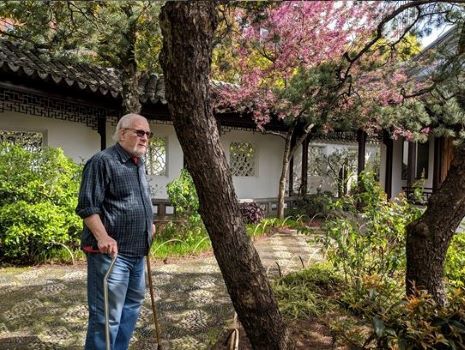
Then came the early warning signs of ATTR-CM: bilateral carpal tunnel, lumbar spinal stenosis, ruptured biceps tendon and trigger fingers. If any of my many surgeons had known about ATTR-CM, they may have made the diagnosis with a tissue biopsy. That’s why it’s so important to raise awareness about the condition.
In 2019, I finally found answers at a heart failure clinic, where a knowledgeable cardiologist found amyloid deposits in my heart. Genetic testing proved my ATTR-CM wasn’t hereditary but instead the wild-type form of the disease.
The cardiologist who diagnosed me told me that he’d spent almost three hours reviewing my medical history, which included shortness of breath, two new hips, one new knee and severe heart signaling problems. His time, knowledge and experience made all the difference.
When I started having symptoms, there weren’t any treatments for ATTR-CM. Today, there is an approved treatment option available for adults diagnosed with ATTR-CM.
That’s why I’m here. It’s my goal to spread awareness for early diagnosis.
So, if you’re a fellow ATTR-CM patient, help get the word out. Together, we can raise awareness of ATTR-CM and potentially help people get an accurate diagnosis more quickly.