
Norman shares his experience with hATTR
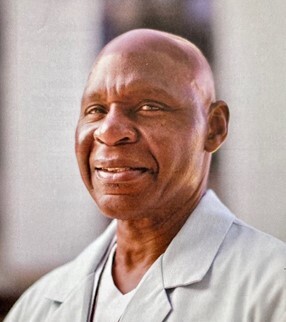
Norman shares his experience with hATTR.
Before I was diagnosed with hereditary ATTR (hATTR) amyloidosis, my life was “interesting.” My health gradually deteriorated, but I always had faith in God and in my doctors that I would be OK. My life with my family went on as normally as possible. Sometimes my food didn’t taste right, sometimes a particular medication wouldn’t agree with me, but I never let myself feel down and rarely complained.
I don’t remember being alarmed when I first started to experience shortness of breath. I just thought that trouble breathing was something that happened to people as they got older. I even recall laughing when I first told my doctor that I had been experiencing shortness of breath while playing racquetball. He knew me to be the person I’d always been -- healthy, competitive and athletic.
My official diagnosis was made after I was evaluated in November 2011 at an amyloidosis center. hATTR amyloidosis is a genetic condition that affects several parts of the body, including the nerves, heart, and digestive system. This is caused by a build-up of transthyretin, an abnormal protein that’s produced in the liver, which can lead to a variety of symptoms and, ultimately, organ failure.
The diagnosis of hATTR amyloidosis was so new that most of the medical personnel we would be interacting with would not know much about this disease. The amyloidosis center was counting on us [me and my wife, Mary] to educate our health care professionals about hATTR amyloidosis, as well as advocate for the appropriate treatments for this disease.
I consider it a blessing that I got my new heart and liver on Christmas Day [2013]. I will never forget that one nurse, Wilma, would go to the hospital chapel every day to pray for me to get a good strong heart. I found out later that Wilma had not known that I also needed a liver. Wilma is just one example of the capable, caring nurses, doctors, volunteers and health care professionals who made my second chance at life possible. I will never forget them.
Looking back, I had never given much thought to organ donation beyond the pink dot on my driver’s license. I will forever be appreciative of what my donor and his family did for me. Although I never met the family of my donor, my wife and I continue to advocate for organ donation, and the majority of our very large extended families are currently on the organ donation list.
In the eight years since my transplant, I have been blessed to live a normal, healthy life. For five years after the transplant, I volunteered as a Heart Ambassador in the heart transplant ward. It was one small way that I could express my gratitude for all that I had been given by so many. Now I fill my days with family, friends, golf, exercise, cooking and enjoying life.