
I Was Young, Active and Still at Risk
By Katie Moegenberg
I never expected to hear that I had high blood pressure as a teenager. I was active, played sports, and felt completely fine. During an EMT class, my teacher used me as an example to check blood pressure. He paused, checked it again, and told me it was really high. My parents took me to the doctor, and from there it turned into more appointments, more tests, and more questions. Eventually, doctors told us it was genetic. I have a strong family history of cardiovascular disease. Around that same time, I also learned that my cholesterol was high.
That part was hard to understand. I thought high cholesterol was something older people dealt with or something tied to lifestyle. I did not fit that picture. Still, my numbers told a different story. Over time, it became easy to downplay. Since nothing was structurally wrong with my heart or kidneys, it started to feel less serious. Looking back, I realize how important it is not to treat it that way. Genetics does not make it less important. It makes it more important to pay attention.
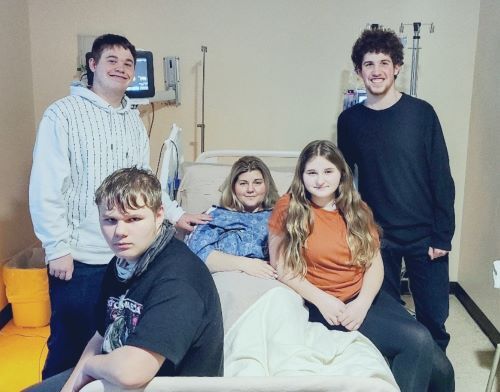
Years later, everything came to a head. A stress test revealed that I had a 100% blocked artery. I was sent straight to the hospital and ended up needing emergency open-heart surgery for a double bypass.
That moment changed everything. What I have learned is that you can feel completely healthy and still be at risk. High cholesterol does not come with symptoms, and it can build over time without you realizing it. I knew my numbers early on, but I did not fully understand what they meant or how serious they were. Looking back, I wish I had taken it more seriously sooner. That is why knowing your numbers matters. If you have never had your cholesterol checked, or if it has been a while, talk to your doctor. It is a simple step that can make a real difference.
For more information on this topic, visit www.heart.org.
HEALTH CARE DISCLAIMER: This site and its services do not constitute the practice of medical advice, diagnosis or treatment. Always talk to your health care provider for diagnosis and treatment, including your specific medical needs. If you have or suspect that you have a medical problem or condition, please contact a qualified health care professional immediately. If you are in the United States and experiencing a medical emergency, call 911 or call for emergency medical help immediately.
Would you like help dealing with heart or stroke conditions — either yours or someone else’s? Join us in the AHA’s Support Network! We are an online community of patients, survivors and caregivers where you can share your experience while getting encouragement, hope and informational resources from others who have been there. Membership is free and the benefits can be priceless. Register today.