

Giselle Benmoin: Forward Momentum
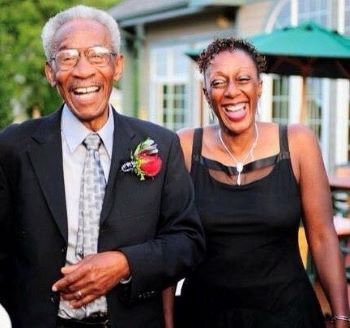
Shortly after her father died from heart failure as a result of a genetic condition called hereditary ATTR amyloidosis, then 51-year-old Giselle Benmoin discovered she had inherited the gene variant.
People are often surprised to hear that I’m 55, and some want to know my secret. It’s pretty simple. Drink lots of water and skip the overly processed, fatty fast food in favor of fruit, veggies, whole grains and lean protein sources.
Staying active helps, too. In addition to working out several times a week in my home gym, I roller skate, jump rope with a 40-plus Double Dutch club, bowl in a league, bicycle and enjoy a modern take on ballroom dancing called stepping.

Maintaining a healthy lifestyle has helped me to manage my type 2 diabetes, which I was diagnosed with at 27. And my cardiologist think it explains why I’m doing so well despite having hereditary ATTR amyloidosis, or hATTR amyloidosis.
After my dad died of heart failure as a result of hATTR amyloidosis in 2016, his doctor asked me to be tested for a genetic variant that causes the disease. I’m a carbon copy of my dad, so I can’t say I was surprised when the test confirmed I had a variant, which is more common in the Black community.
While further testing found no evidence of heart damage, the diagnosis explained a long and confusing list of symptoms I first started experiencing in the early 2000s. They included bladder pain, vertigo, shortness of breath, foot numbness and swelling, dry eyes, a torn bicep tendon and carpal tunnel syndrome in both hands.
There were many doctors’ visits, and even more unanswered questions. At times, I wondered if I was a hypochondriac. As it turns out, such symptoms are common among people with hATTR amyloidosis. Maybe it’s no surprise that it’s often misdiagnosed or underdiagnosed.
Two years after learning I had the gene variant for hATTR amyloidosis, a diagnostic test revealed that the damaging misfolded protein clusters called amyloids had begun to accumulate in my heart. That was nerve-racking. I had just turned 51 and moved my senior mom into my home to help care for her after my dad died. What if the disease progressed quickly? Who would care for her if something happened to me?
While there were low points, my medical team helped to turn things around. I have an interdisciplinary team of dedicated, accomplished doctors and specialists who coordinate my care and make sure I feel supported. That’s especially important when dealing with a disease like hATTR amyloidosis that affects so many different parts of the body.
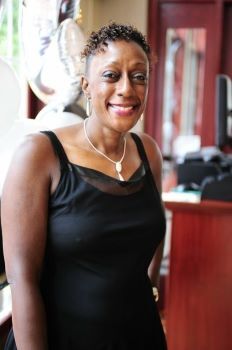
The ongoing clinical trials also give me hope. Many of the medications currently used to treat the condition were not yet FDA approved when I was diagnosed just a few short years ago, and there are new ones in the pipeline. Maybe one day, there will be a cure. Let’s work toward that.
Having hATTR amyloidosis does slow me down at times. In the past, I could do step aerobics for an hour, sometimes two, without getting winded. Now I can sometimes only do about 30 minutes before I need to stop and catch my breath. But I don’t let it stop me. The important thing is to keep moving forward.