
Candi Wilmot’s story illustrates how chaotic sleep, high BP may be connected
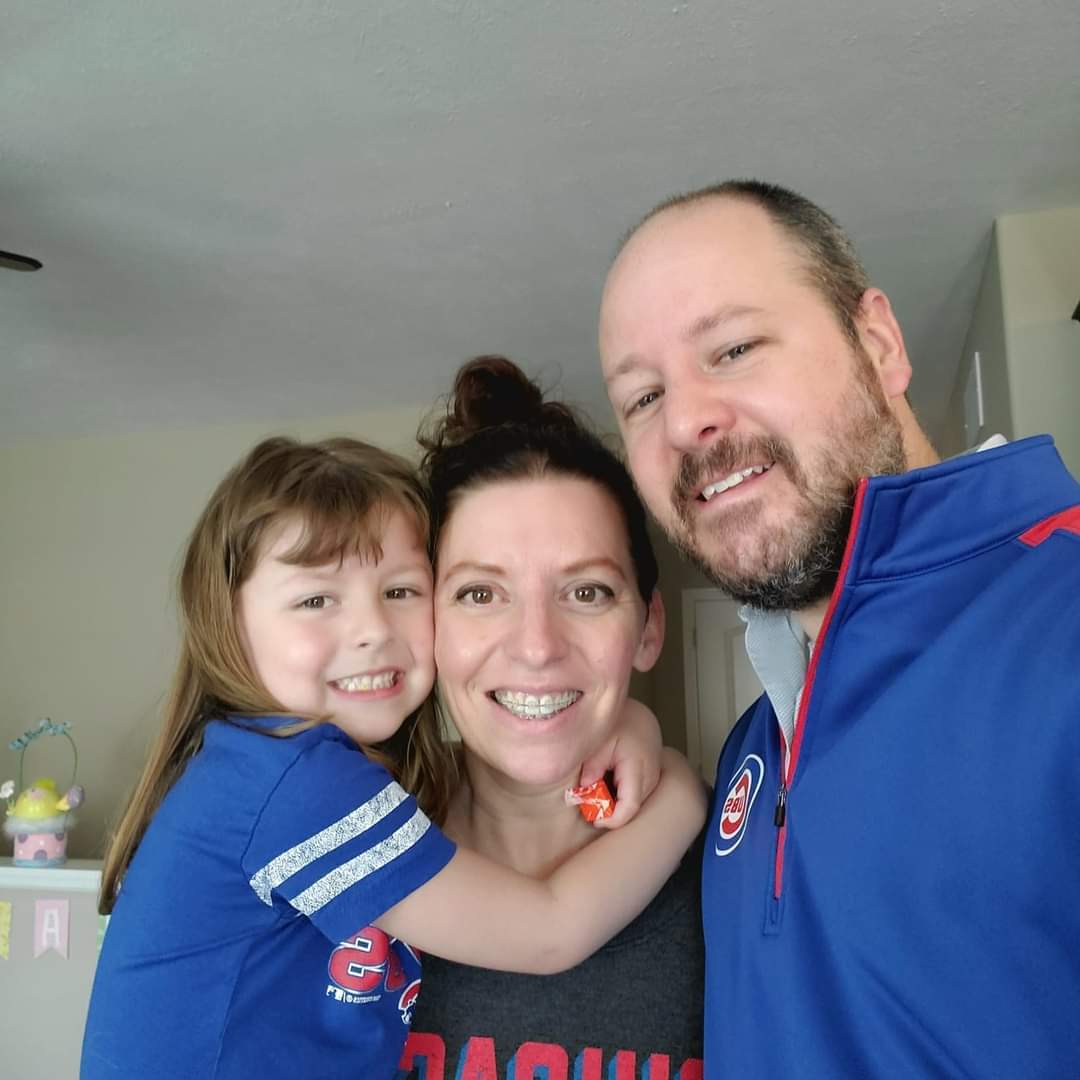
After a lifetime of sleep problems, Candi Wilmot was shocked to discover she had narcolepsy with cataplexy.
I’ve always been a little different when it comes to sleep. Even as a kid, I was a night owl, regularly staying up until 3 a.m. Sometimes I couldn’t sleep. Sometimes I just didn’t want to.
It took a toll. During the day, when my friends were out playing, I’d usually be getting some much-needed z’s. When I did join in the fun, I was often lethargic or just plain grumpy. I missed out on so much.
On the other hand, I’ve always had crazy, hyper-realistic dreams. I’ve stood on red Martian soil and wandered through fantastical buildings that look like something out of a Dr. Seuss story – all from the comfort of my mattress.
Some I act out. At boot camp for the National Guard, I regularly came to in places other than my bed. One night, I awoke to the sight of my face staring back at me in the bathroom mirror! I chalked it up to the 5 a.m. wakeup calls.
Having such a chaotic sleep schedule may have also contributed to the high blood pressure I’ve had since I was 14, increasing my chances for heart attack and stroke.
For years, researchers have illustrated the relationship between sleep apnea and cardiovascular problems, including high blood pressure, and there is a huge body of evidence that sleep apnea leads to high blood pressure, according to the Mayo Clinic.
I was 30 before somebody finally connected the dots. One day at work, for no apparent reason, my body crumpled lifelessly, and my head hit the desk.
Ready to admit something was wrong, I told a doctor, who prescribed a sleep study. (Basically, they hooked me up to a machine that recorded my body activity as I slept).
It revealed I have narcolepsy with cataplexy, which means sometimes my muscles go limp, usually as a response to stress or strong emotions.
What a relief to finally have an answer! My doctor prescribed medication to relieve the symptoms. Good sleep habits also make a big difference. The lights are out by 9 p.m., and I’m out of bed no later than 7:00 a.m.
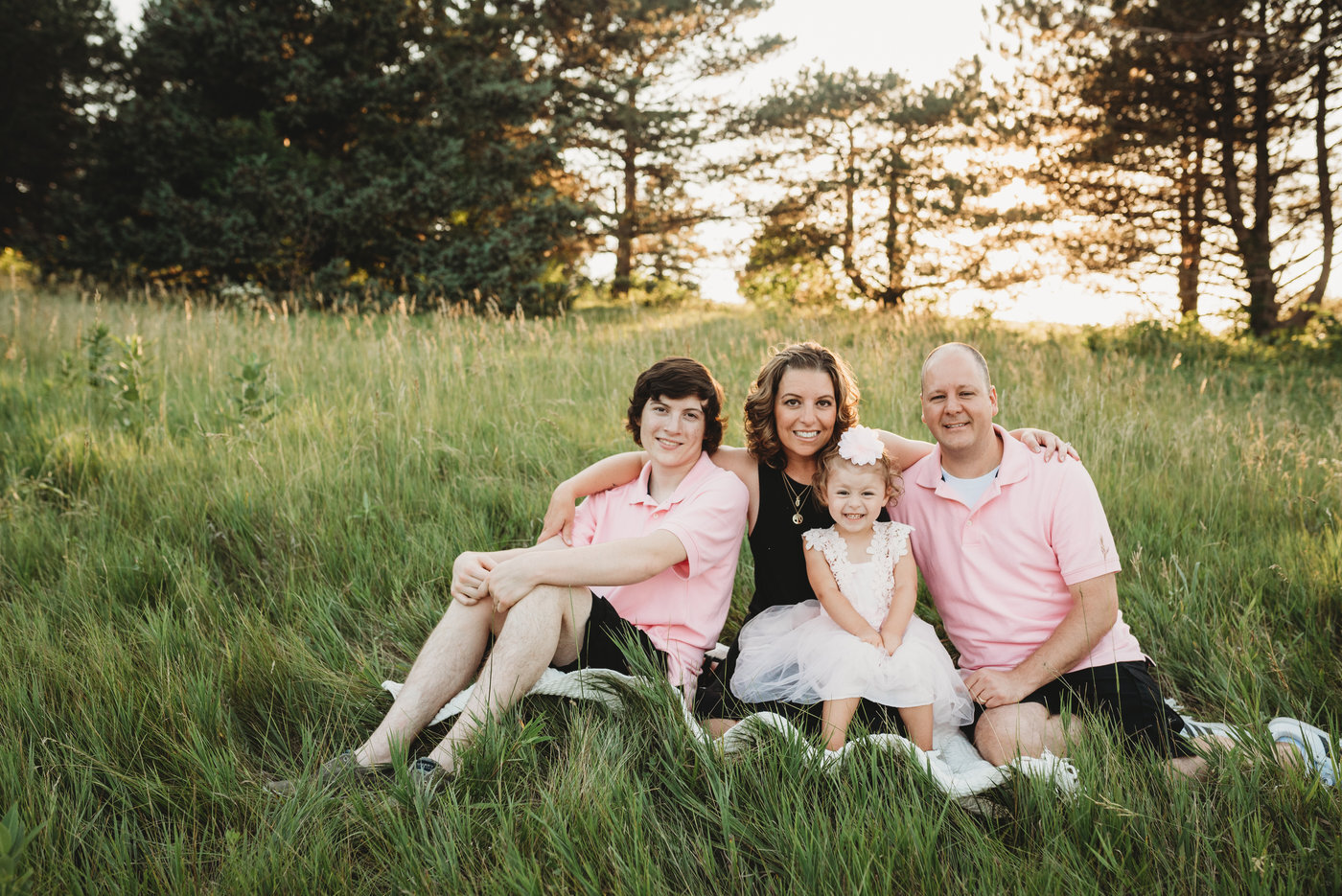
I still get a little shuteye every afternoon but rarely sleep for more than an hour these days. Thankfully, my husband, Lance, is always ready to keep an eye on things when I need the occasional three-hour nap.
When my 22-year-old son, Michael, was still in school, he was diagnosed with narcolepsy, too. Knowing how difficult it can be firsthand, I sobbed when I heard the news. But it allowed us to start treating the condition, and he’s doing well.
If I had known I had narcolepsy with cataplexy earlier, who knows how my life would have been different? Maybe I wouldn’t have missed out on so much as a kid.
That's why it's so important to talk with your doctor about problems sleeping. With the proper treatment and lifestyle adjustments, it's possible to live a normal life. I'm living proof.
Jazz Pharmaceuticals is a proud supporter of the American Heart Association’s Cardiovascular Health and Sleep Initiative.
For more information on this health topic, visit heart.org.
Would you like help dealing with heart or stroke conditions -- either yours or someone else’s? Join us in the AHA’s Support Network! We are an online community of patients, survivors and caregivers where you can share your experience while getting encouragement, hope and informational resources from others who have been there. Membership is free and the benefits can be priceless. Register today.