

Becoming the Advocate My Husband Needed After His Stroke
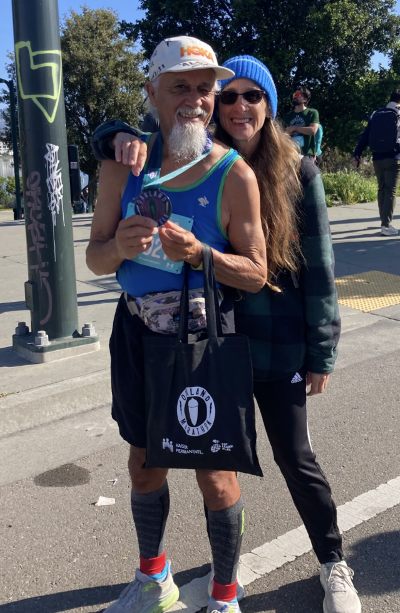
By Tracie De Angelis
My husband and I were doing yoga when he suddenly bent down and couldn’t stand back up. The ER said it was just a virus. But I knew something was wrong. I pushed for an MRI and that’s when we learned he’d had a stroke.
We followed up immediately with his care team, but at home there were no clear tools or plans for recovery. So, I got to work. I read books on neuroplasticity, researched stroke rehab, and asked questions at every appointment. With our doctor’s guidance, I helped reinforce his physical therapy at home—45 minutes a day, nearly every day for five months. We tracked every small win, from walking again to showering independently. It was a lot of work but it transformed us.
Through it all, I also became more aware of my own health. I started paying attention to things I’d overlooked, especially cholesterol. My husband’s stroke changed how I think about high LDL (bad) cholesterol—the kind that can quietly build up in your arteries and increase your risk for heart disease and stroke—and the importance of early action, even if you “feel fine.” I now know my number, and I stay on top of checking my cholesterol.
If you’re a caregiver, take care of your loved one but don’t forget about yourself. Get your cholesterol checked. Ask questions. Learn everything you can. The best way to care for someone else is to stay healthy enough to keep showing up. And don’t be afraid to speak up, sometimes the care your loved one needs depends on your voice.
HEALTH CARE DISCLAIMER: This site and its services do not constitute the practice of medical advice, diagnosis or treatment. Always talk to your health care provider for diagnosis and treatment, including your specific medical needs. If you have or suspect that you have a medical problem or condition, please contact a qualified health care professional immediately. If you are in the United States and experiencing a medical emergency, call 911 or call for emergency medical help immediately.
For more information on this health topic, visit stroke.org.
Would you like help dealing with heart or stroke conditions -- either yours or someone else’s? Join us in the AHA’s Support Network! We are an online community of patients, survivors and caregivers where you can share your experience while getting encouragement, hope and informational resources from others who have been there. Membership is free and the benefits can be priceless. Register today.